
The Decolonized Table Finds a New Room
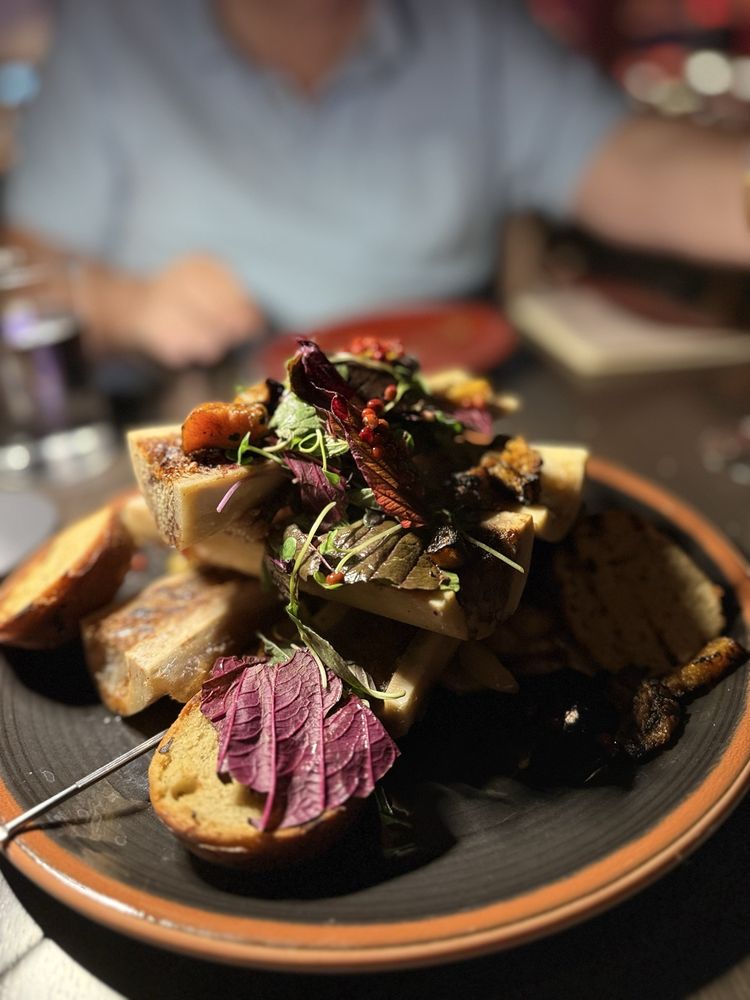
Indigena by Owamni carries forward the project Sean Sherman built at Water Works: a menu with no wheat flour, no cane sugar, no dairy, built instead on the plants, proteins, and techniques native to the Americas before contact. The move into the Guthrie Theater closes one chapter and opens another, and the early record suggests the kitchen's discipline survived the address change intact. A shared salad built from foraged and cultivated vegetables sets the register early: this is produce-forward cooking that treats the plant world as the main event, not a garnish before the protein arrives.
Game and wild proteins follow, plated with the same restraint, letting cedar, maple, and wild rice (manoomin, grown and harvested by Ojibwe communities to the north) carry the seasoning instead of butter or refined sugar. The wait staff gets credit in the record for pace and warmth, useful in a room that draws visitors making a point of eating here on the first night of a trip, not just locals working through a list. That pattern, the diner who has waited years to get a seat, says something about where this kitchen sits in the national conversation: Owamni's 2022 James Beard Best New Restaurant award put Indigenous cuisine on a stage most Minneapolis restaurants never reach, and the new location inside a major theater keeps it there.
The price point reads upscale, and the room is built for groups as much as couples, making it a reasonable pick for a pre-show dinner or a celebration where the food itself should carry the conversation. This is not a tasting menu of curiosities; it is a working argument that the pre-colonial pantry, bison, walleye, squash, sunflower, wild rice, is enough on its own to build a serious plate. For Minneapolis, a city with the country's most closely watched Indigenous food movement, that argument now runs eight nights a week inside one of its most visible buildings.